
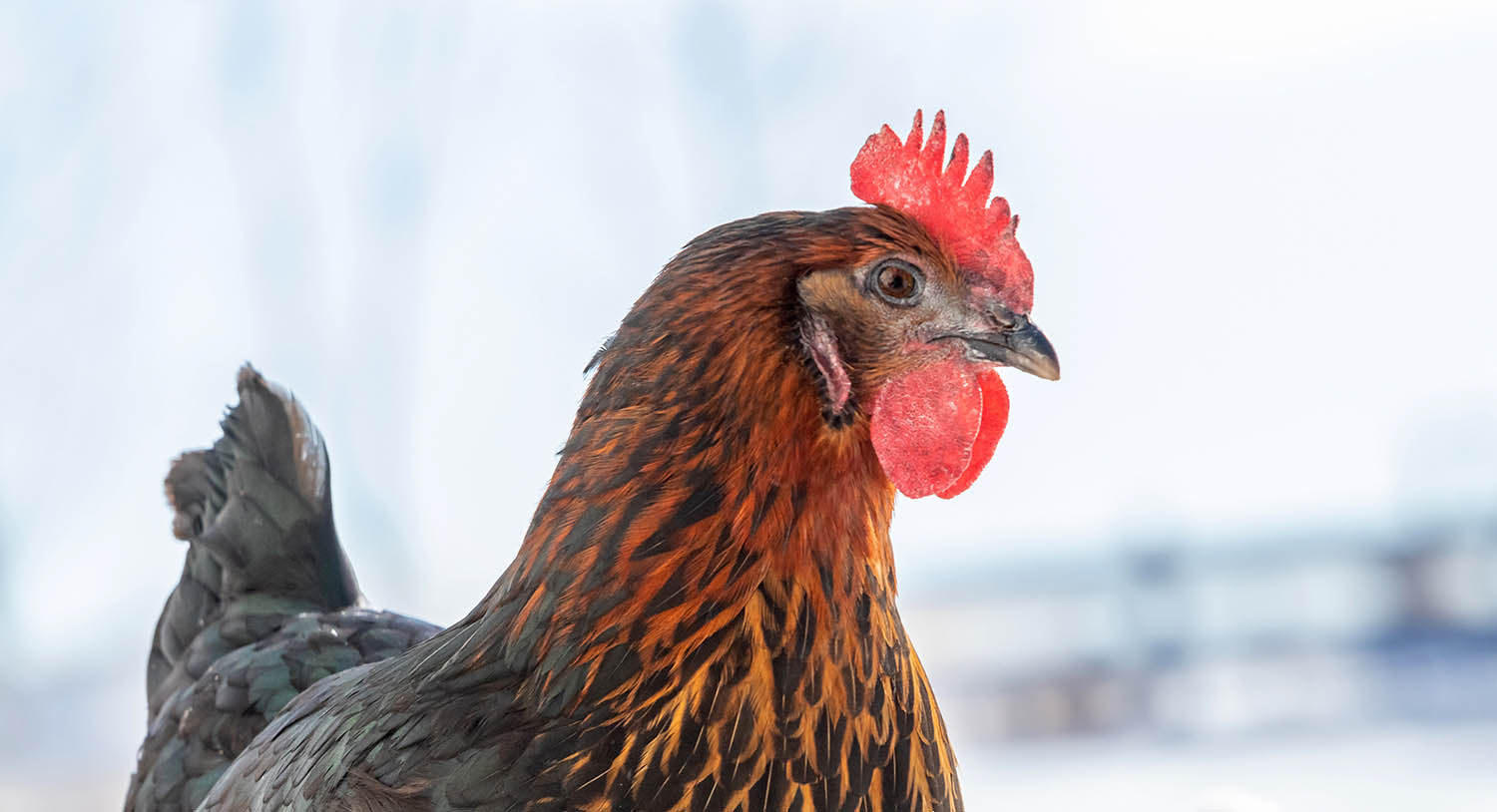
When the first real cold snap hits, most new backyard chicken keepers look out at their coop and think the same thing:
“Are my hens warm enough… or do I need to insulate that coop?”
It’s one of the most common questions our chicken-coop specialists hear when people are shopping for Amish-made, prebuilt chicken coops. Horizon Structures even has an entire FAQ devoted to it, and the short version might surprise you: insulation usually isn’t required—and in some cases it’s not even a good idea.
This article walks through when insulation makes sense, when it can backfire, and why a well-designed prefab coop often performs beautifully with no added insulation at all. Along the way we’ll highlight how Horizon’s prebuilt chicken coops are built for real-world weather, plus simple upgrades that keep your small backyard flock comfortable in every season.
In this article we’ll discuss:
- Do you really need insulation?
- How chickens stay warm (and what actually threatens them)
- What Horizon’s Amish-made prefab coops already provide
- Pros and cons of insulating a backyard chicken coop
- Safe ways to insulate a prebuilt coop if you choose to
- Why prefab coops beat flimsy kits in tough weather
- Quick FAQ and next steps (quote, design, or purchase)
The Short Answer: Does a Prebuilt Coop Need Insulation?
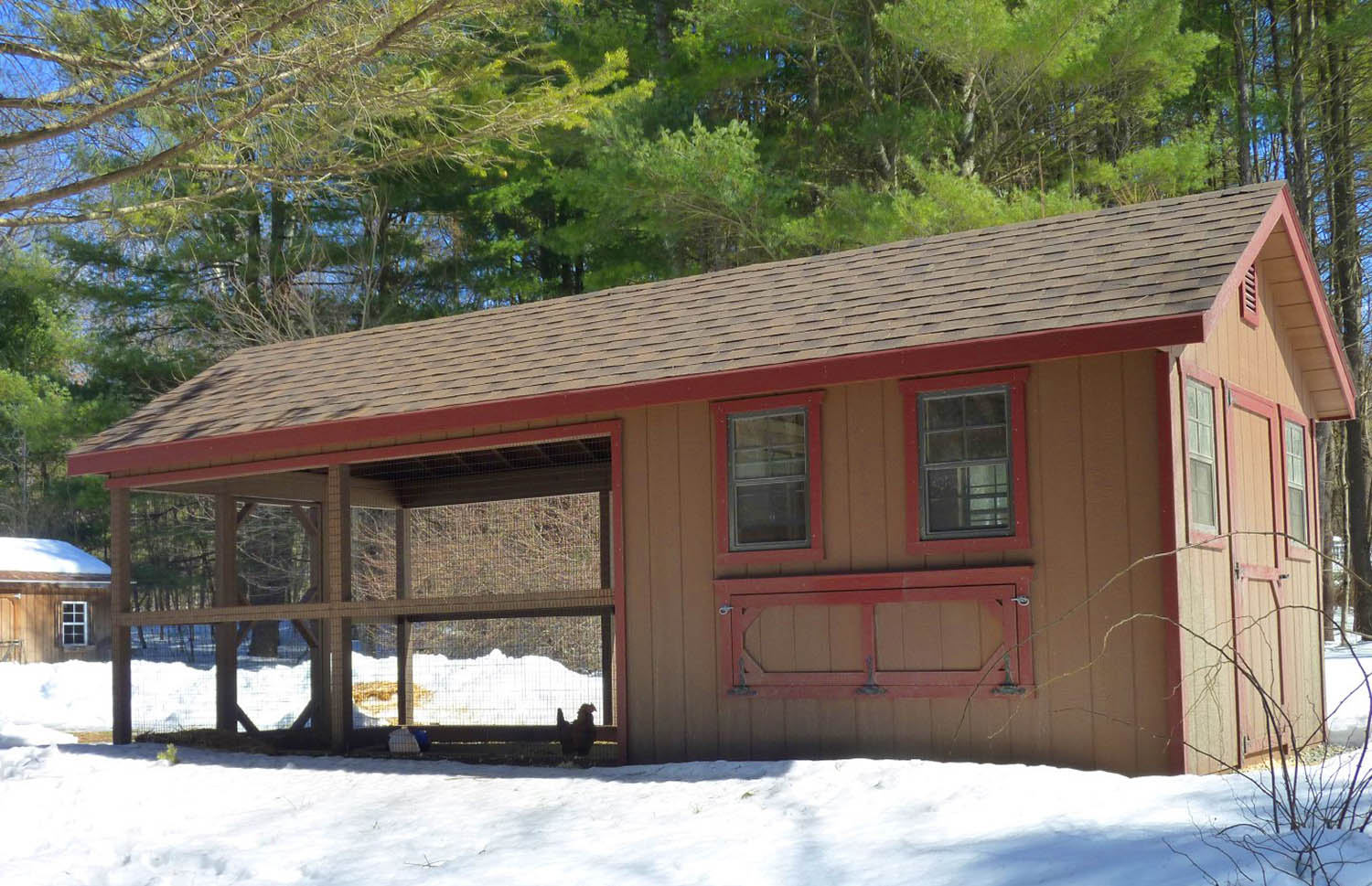
For most small backyard flocks living in a solid, well-ventilated prebuilt coop, the answer is “no, not usually.”
Horizon Structures ships Amish-crafted chicken coops across the continental U.S.—from humid Southeast summers to snow-belt winters. That’s nine major climate zones, and the coops are designed to handle them without factory-installed insulation by focusing on:
- A dry, leak-free shell
- Draft reduction at bird level
- Strong, adjustable ventilation high on the walls
- Appropriate flock size for the coop
As we’ve said before, “Insulation isn’t mandatory or even necessarily a good idea. Focus on ventilation and dryness instead.”
However, there are situations where targeted insulation (or other winter upgrades) can be useful:
- You live where winter highs stay below freezing for long stretches
- Your coop is very small, very exposed, or on a windy hill
- You keep lightweight or Mediterranean breeds instead of cold-hardy birds
- You personally prefer a “belt-and-suspenders” approach to winter comfort
So the real question becomes: what does your flock, in your climate, actually need?
How Chickens Stay Warm in Cold Weather

Before you decide whether to insulate that Amish-made chicken coop, it helps to understand how chickens handle cold.
- Built-in insulation. Chickens fluff their feathers and trap a layer of warm air—like wearing a down parka. Many breeds are more comfortable in cold than in extreme heat.
- Group heat. On the roost at night, birds huddle together and share body warmth. A properly sized coop for your flock (not too cramped, not half-empty) creates a cozy micro-climate.
- Dry trumps warm. Damp air, condensation, and ammonia from droppings cause frostbite and respiratory issues long before simple cold does.
That’s why modern poultry experts consistently put ventilation and moisture control at the top of the winter-prep list.
A recent ventilation guide for poultry houses explains it this way:
“Think of ventilation as the lungs of your poultry house. Without it, moisture builds up, ammonia lingers and temperature swings can stress your birds.”
In other words, a dry, draft-free, well-ventilated prebuilt coop gives your backyard chickens a huge head start—insulated or not.
What Horizon’s Amish-Made Prefab Coops Already Do for Climate Control
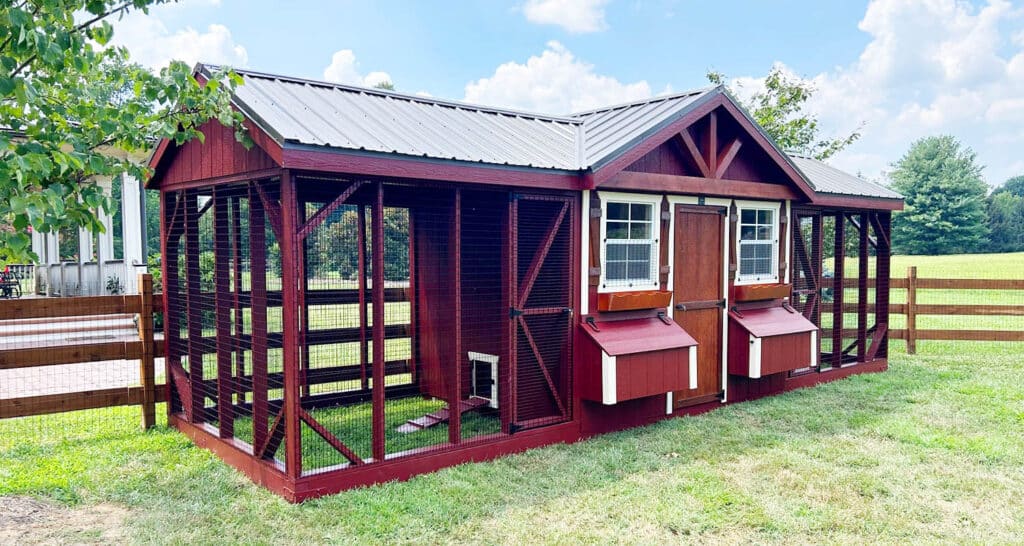
Horizon’s prebuilt chicken coops aren’t flimsy “flat-pack” boxes. They’re mini buildings, crafted by Amish carpenters in Pennsylvania and shipped ready-to-use across 40+ states.
Here’s what that means for your backyard chicken keeping, especially in winter:
1. Solid Shell and Roofing
- LP TechShield roof sheathing with 40-year shingles helps keep weather out and manages heat at the roofline.
- Siding options like LP SmartSide or real pine board-and-batten are installed and finished at the shop, not stapled together in your driveway.
This alone provides far more “built-in insulation” than thin metal or budget OSB on many coop kits.
2. Elevated, Dry Floor Systems

Many Horizon coops are raised on pressure-treated skids or legs. That:
- Keeps the coop off damp ground
- Lets air circulate underneath
- Reduces rot, mold, and mildew inside the structure
Optional epoxy or poly floor coatings make cleaning easier and reduce moisture absorption in the flooring.
3. Thoughtful Ventilation (Already Built In)
Every Horizon prefab chicken coop includes:
- Screened windows and generously sized, hinged vents that can be opened or latched depending on weather
- 1″ x 2″ 14-gauge vinyl-coated wire over openings to keep predators out while air flows in
Buyers can add extra windows or vents or choose models like the Combination Chicken Coop that carry a continuous roof over coop and run to protect birds in bad weather.
4. Designed for Diverse Climates
Horizon’s own coop-sizing series notes that a keeper in hot Texas will prioritize shade and ventilation, while someone in Minnesota or Maine may want more indoor space and possibly insulation—but even then, “no coop should be airtight,” or frostbite and respiratory issues become more likely.
In other words, the prefab design is already doing much of the “climate work” insulation is supposed to do.
The Case for Insulating a Backyard Coop
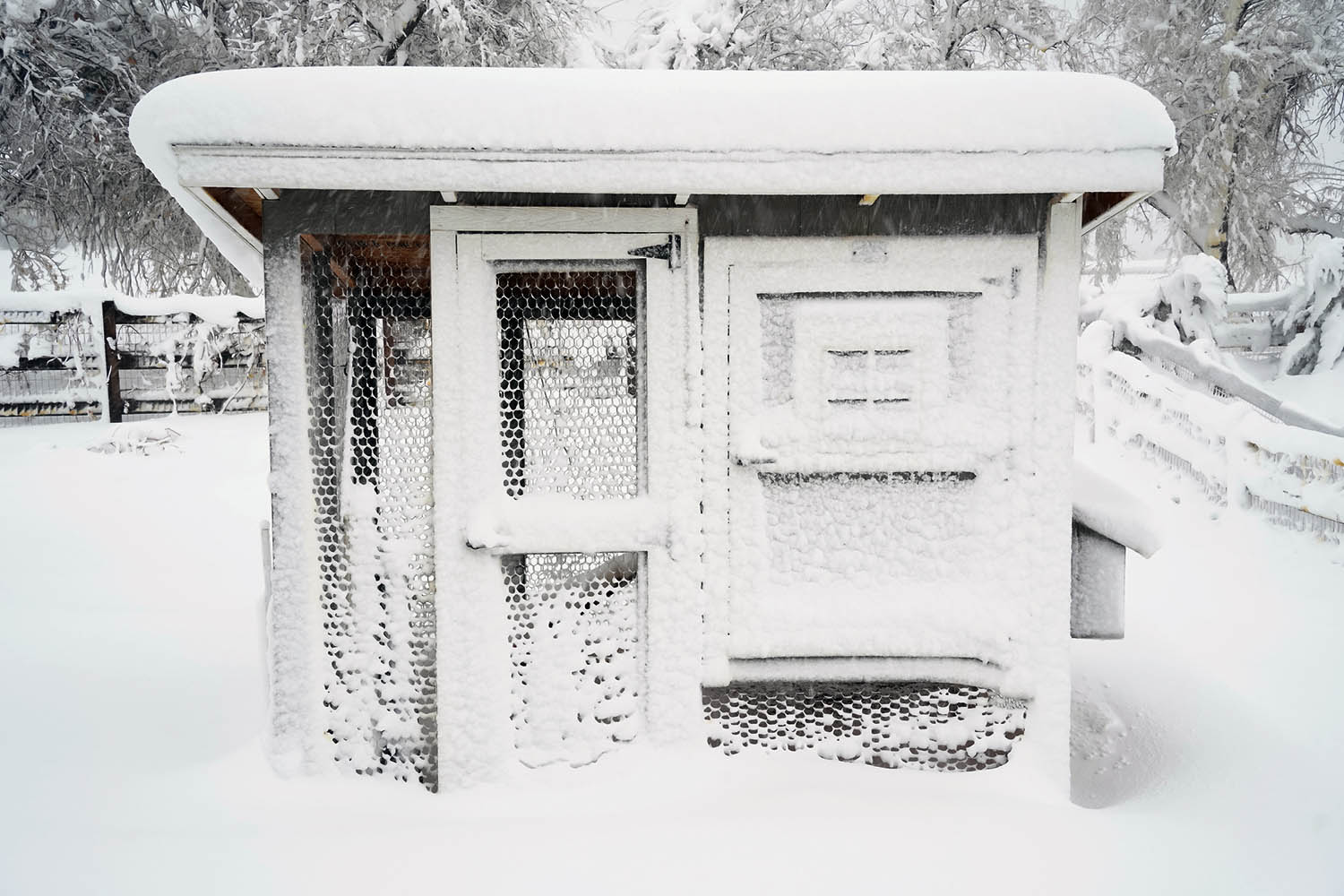
Now for the other side of the argument. Many cold-climate guides and farm co-ops do recommend some level of insulation—especially in harsh winter regions.
Recent winter-care articles highlight a few real benefits:
- A Tennessee Farmers Co-op piece notes that prolonged exposure below about 25°F can be harmful and says, “By insulating your chicken coop effectively, you can retain heat, block cold drafts, and ensure your flock stays comfortable throughout the winter.”
- An Ohio-based builder explains, “Cold weather can be tough on chickens. A well-insulated coop will protect your flock from the cold and help them conserve energy.”
- A winter-care guide from UKKÖ Robotics emphasizes dryness and airflow along with insulation: “Proper insulation creates a comfortable environment for your chickens that shields them from winter winds while still allowing enough airflow to prevent moisture buildup.”
Put simply, insulation can:
- Soften the coldest temperature swings inside the coop
- Reduce how hard your birds have to work to stay warm
- Help maintain egg production during long, bitter winters
For a small backyard flock in northern states—picture a Quaker coop hosting six hens in upstate Maine—carefully added insulation (particularly in the ceiling and north wall) can be one more layer of protection.
The Case Against Insulating a Prebuilt Coop
So why doesn’t Horizon simply add insulation to every Amish-made chicken coop and call it a day?
Our insulation FAQ lays out several practical reasons:
- Moisture & Heat Buildup
Insulation that isn’t paired with excellent ventilation turns a coop into a damp, stuffy box. Trapped moisture accelerates frostbite in cold weather and creates ammonia-heavy air in any season. - Not Every Climate Needs It
Horizon ships coops from the Deep South to the Pacific Northwest. Many customers never see long stretches of sub-freezing weather. For them, insulation adds cost without much benefit. - Birds Are Tougher Than We Think
Many common backyard breeds—Orpingtons, Australorps, Plymouth Rocks—handle very cold weather well as long as they’re dry, out of the wind, and not living in a drafty coop. - DIY Flexibility
Because each backyard setup is different, it often makes more sense for the owner to decide if and where to insulate: a north wall, the ceiling, or perhaps just a particularly exposed side of a custom coop.
And remember: adding insulation incorrectly can be more dangerous than skipping it. Covering vents, leaving exposed foam for birds to peck, or stuffing walls with fiberglass that collects moisture and mice are all real risks.
If You Do Insulate Your Prebuilt Coop: Best Practices
Let’s say you have a Horizon prefab coop in a very cold or windy area and you’ve decided you do want some insulation. Here’s how to do it in a way that works with your Amish-made coop, not against it.
1. Start With Draft-Proofing
Nearly every expert agrees: seal drafts first, then think about insulation.
Here’s a simple first step—inspect doors, windows, and joints, then use weather stripping or caulk to seal gaps
On a Horizon coop, that might mean:
- Caulking fine cracks where two trim boards meet
- Adding weather-strip behind the human door
- Ensuring the chicken access door closes tightly at night
You’re aiming for no wind at roost level, but still plenty of venting above the birds.
2. Focus on Ceiling and Upper Walls
Several recent articles emphasize the ceiling as priority number one, since heat rises.
Good strategies for a prebuilt coop:
- Attach foam board between roof rafters, then cover it with plywood so chickens can’t peck it
- Add a removable insulated panel above the roost area, leaving ridge or gable vents open
- For tractor or Combination Coops, wrap the run in clear plastic or tarps for a windbreak while leaving coop vents unobstructed
3. Keep Ventilation High and Open
Never stuff insulation into the existing Horizon vents or window openings. That airflow is there on purpose.
Remember insulation should still allow enough airflow to prevent moisture buildup, with vents near the roof carrying humid air away.
On Horizon coops, those hinged vents and screened windows are designed to be adjusted seasonally — wide open in summer, partially closed in winter.
4. Use Safe, Pest-Resistant Materials
For a small backyard flock, practical insulation choices include:
- Rigid foam boards fully covered by plywood
- Rigid mineral wool batts behind a solid inner wall
- Exterior straw bales or windbreak panels placed up against the coop’s coldest wall
Whatever you choose, MAKE SURE there is no loose fiberglass where birds or rodents can reach it, and no exposed foam for bored hens to sample.
5. Pair Insulation with Smart Bedding
Horizon already encourages using deep, moisture-managing bedding such as pine shavings or straw. In cold climates, adding extra depth—sometimes called the deep-litter approach—adds a little insulating value and gentle heat as the bottom layers break down.
Why a Quality Prefab Coop Beats a Flimsy Kit (Insulated or Not)
Here’s an often-overlooked truth: a poorly built insulated coop can be far worse than a well-built uninsulated one.
Mass-produced coop kits are often:
- Made of thin, knotty wood or soft plywood that warps and leaks
- Under-sized for the number of chickens they claim to house
- Short on ventilation and predator-resistant hardware
Insulating a structure like that is a bit like putting a sweater on a cardboard box.
By contrast, Horizon’s Amish-made prebuilt chicken coops and custom coops are:
- Built like small sheds with real framing, quality siding, and serious roofing
- Delivered fully assembled and ready for your small backyard flock—no guessing about structural integrity or predator resistance
- Available in multiple styles—Quaker, A-Frame, Lean-To, Tractor, Combination coops—so you can match design to your yard and flock size
- Backed by Horizon’s written guarantee and decades of prefab-structure experience
When your base coop is already weather-resistant, predator-aware, and designed with ventilation in mind, any insulation you add later is just fine-tuning.
Where to Start: Browse Coops by Flock Size & Yard Type

Not sure which style of prefab chicken coop makes sense for your climate and birds? Use Horizon’s chicken coop categories as a roadmap:
- Quaker & A-Frame Coops – classic Amish-made chicken coops for 4–100 birds; great for most small backyard flocks.
- Combination Chicken Coops – integrated coop-and-run units that keep birds safe and sheltered in every season.
- Tractor Chicken Coops – mobile options for rotating birds around the yard or garden.
- Custom Coops & Signature Models – like the Lisa Steele/Fresh Eggs Daily or Tilly’s Nest coops, tailored to specific styles of backyard chicken keeping.
Once you know your flock size and how much outdoor run space you can dedicate, it’s easier to decide whether you’ll ever need to think about adding insulation later.
Insulated Coop FAQ
Will my chickens be okay in an uninsulated prefab coop?
In most moderate U.S. climates, yes. A Horizon prebuilt coop that’s dry, draft-free at bird level, and well-ventilated up high is enough for hardy breeds—especially when you provide deep bedding and a reasonable number of birds per square foot.
What if I live somewhere extremely cold?
If you regularly see sub-zero temperatures with wind chills and your flock spends days indoors, you may want to:
- Add deep bedding
- Block drafts and create exterior windbreaks
- Consider targeted insulation in the ceiling and most exposed walls
Horizon’s coop-sizing guide even notes that cold-region keepers may prioritize extra indoor space and, in some cases, insulation—but still warns that no coop should ever be airtight.
Can Horizon insulate the coop at the factory?
Horizon does not insulate chicken coops or offer insulation as an add-on. The company found that factory insulation introduces moisture and overheating risks, adds cost that many buyers don’t need, and is hard to standardize across nine climate zones.
Instead, the coops are designed with the dry shell, ventilation, and upgrade options (like electrical packages, epoxy floors, and combination runs) that almost every flock needs—leaving insulation as an optional DIY project for the few who truly require it.
Should I use a space heater if I don’t insulate?
In most situations, no. Horizon recommends avoiding space heaters or “heat rocks” due to fire risk and overheating. If you’ve ordered an electrical package, a simple light, carefully used heat lamp, heated water bowl, or heated roost bar can offer safe, modest warmth when it’s truly bitter outside — always with secure mounting and proper cords.
Ready to Plan a Coop That Works in Every Season?
Insulation is just one piece of the puzzle. Coop design, materials, ventilation, and layout matter more — and that’s where an Amish-built, prebuilt chicken coop really shines.
If you’re:
- Comparing prefab chicken coops vs cheap kits
- Unsure which model fits your small backyard flock
- Debating whether your climate justifies insulation
…you don’t have to guess.
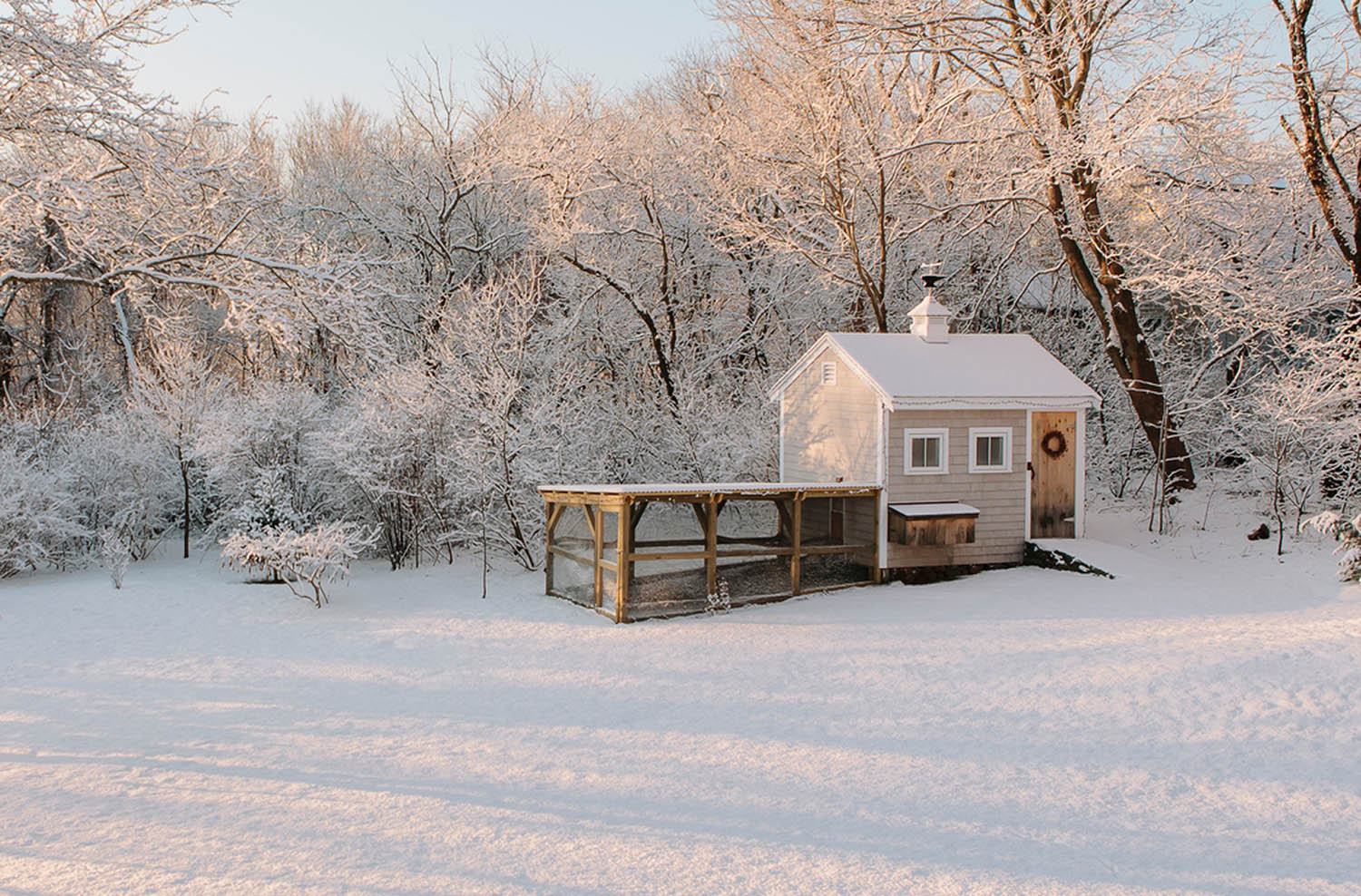
Talk with a Horizon Structures chicken coop specialist today.
Call us at 888-447-4337 Monday thru Friday 8am – 4pm EST.
- Get a free quote
- Explore custom coop options for your climate
- Or compare our Amish-made prebuilt chicken coops side by side so your backyard chickens — and you — stay comfortable all year long.